
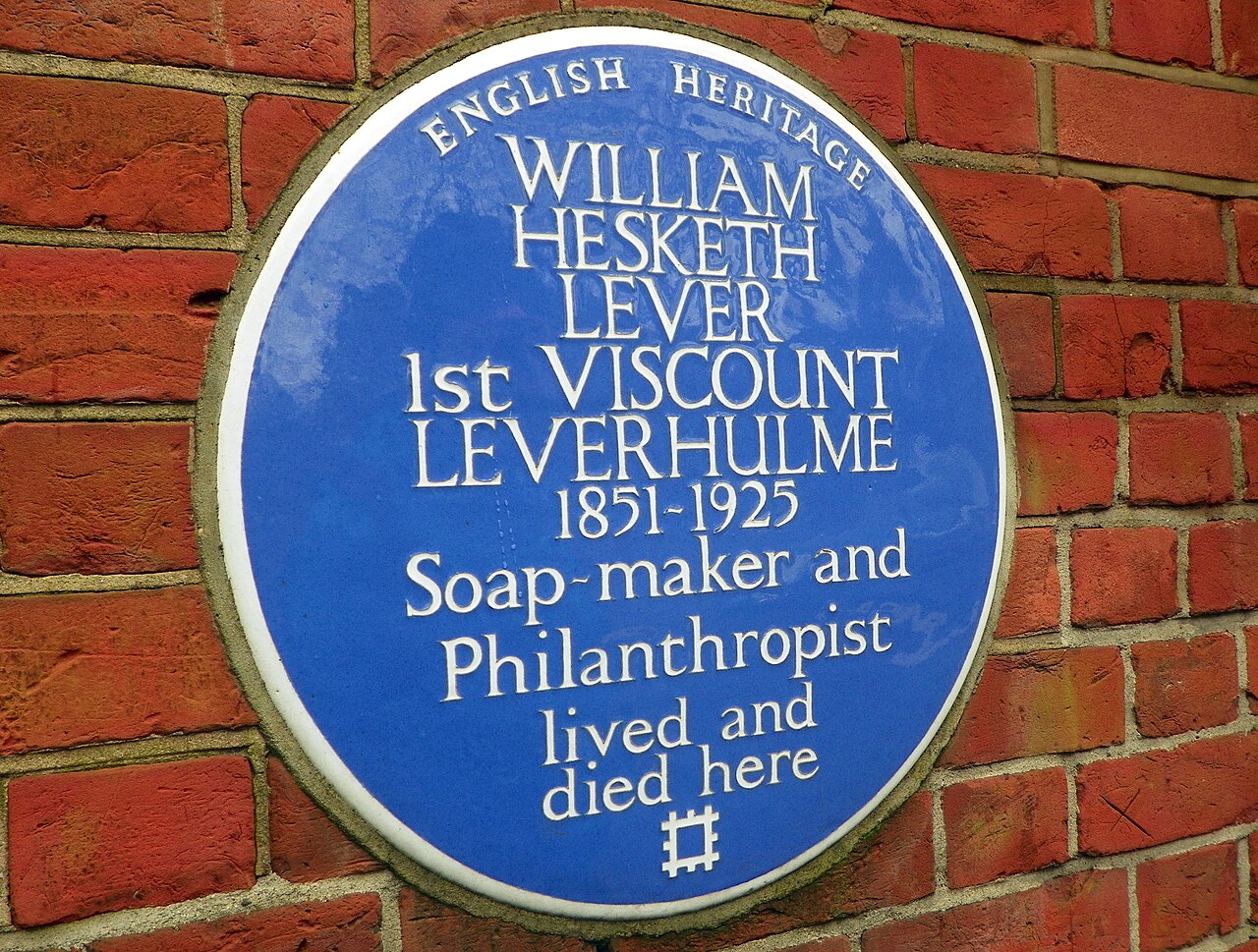
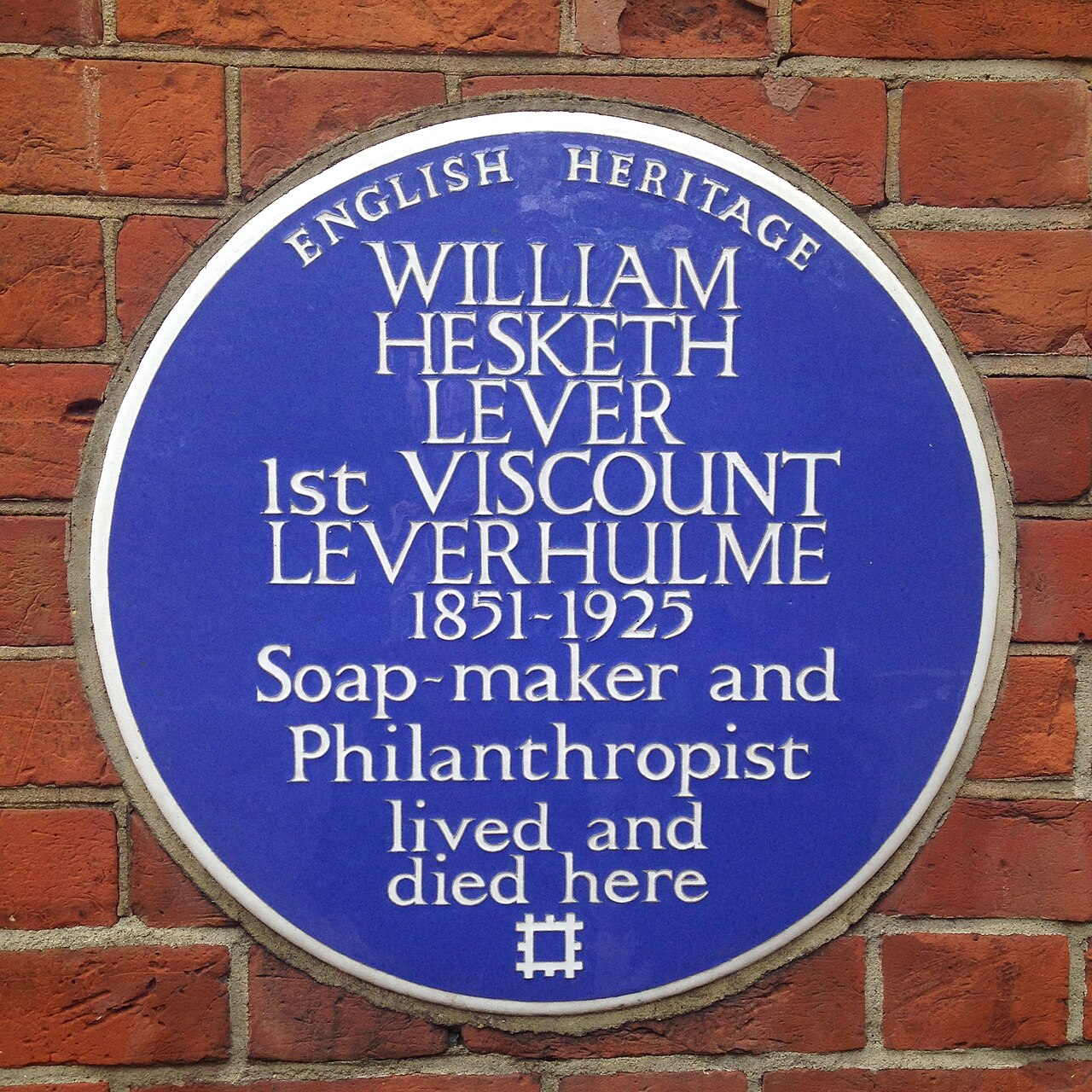
William Lever, 1st Viscount Leverhulme
English industrialist who built a soap empire and founded Port Sunlight.

John William Waterhouse · Public domain
Lever was also a Liberal MP, a peer, a patron of the arts, and the founder of the model village Port Sunlight.
- field
- Industrialist, philanthropist, politician
- nationality
- English
- known_for
- Founding Lever Brothers, manufacturing Sunlight Soap, founding Port Sunlight
Lore & Background
He attended small private schools and the Bolton Church Institute, then joined his father's wholesale grocery business at age fifteen. After an apprenticeship and various roles, he successfully expanded the family firm. He acquired works such as William Powell Frith's 'The New Frock' to promote Sunlight soap. He was also a Freemason, founding several lodges and holding high offices. In politics, he sat briefly as a Liberal MP for Wirral and later as a peer in the House of Lords.
Reader's Guide
William Lever's significance lies in his transformation of the soap industry through branding, advertising, and vertical integration. His company Lever Brothers became a precursor to the multinational Unilever. Lever's model village Port Sunlight exemplified his philanthropic approach to industrial housing, while the Lady Lever Art Gallery reflected his patronage of the arts. His political career and advocacy for imperial expansion highlight the intersection of business and empire in the early 20th century. Lever's legacy endures in the global consumer goods industry and in the cultural institutions he founded.
Did You Know?
- Lever began his career at age fifteen sweeping floors in his father's grocery business for a shilling a week plus board.
The Name Stolen and the Price of Prestige
In 1937, American businessman Samuel Rubin found himself in a precarious position. His Spanish Trading Corporation, which had imported soap and olive oil, was shuttered by the outbreak of the Spanish Civil War. Seizing the opportunity, Rubin pivoted into perfumes and toiletries, registering his new venture as Fabergé Inc. The name, he was later told, had been suggested by his friend Armand Hammer, the oil magnate who had spent the 1920s acquiring original House of Fabergé objects—including the famous eggs—from communist Russia. The Fabergé family had no knowledge of this commercial appropriation until the Allied victory in World War II. By then, Rubin's products were already a fixture in upscale department stores, carrying a prestige comparable to Coty, Guerlain, and Elizabeth Arden. Confronted with the prospect of costly, drawn-out litigation the family could not sustain, the Fabergés settled out of court in 1951, accepting a payment of twenty-five thousand dollars—roughly three hundred ten thousand in today's value—for the right to use their name in connection with perfume.
Hollywood in a Bottle: The Barrie Era
When George Barrie and the Rayette cosmetics company purchased Fabergé Inc. for twenty-six million dollars in 1964, they inherited a brand with prestige but a limited product range. Under Barrie's direction, the company transformed into a celebrity-driven marketing machine. The Brut toiletry line became the world's best-selling cologne, promoted by football stars Joe Namath, Paul Gascoigne, and Kevin Keegan, boxer Henry Cooper, and actress Kelly LeBrock. In 1967, Cary Grant was appointed creative consultant, and by 1968 he sat on the board of directors, receiving a fifteen-thousand-dollar salary, a rent-free luxury apartment in New York, unlimited travel, and access to the company's private planes and helicopters—yet he never appeared in a single commercial. Roger Moore joined the board in 1970, the same year Barrie launched Brut Productions, which went on to produce the Oscar-winning film A Touch of Class. The 1976 release of Babe, promoted by a one-million-dollar campaign featuring Margaux Hemingway, became Fabergé's top-selling women's fragrance worldwide in its debut year and earned two Fragrance Foundation awards.
From Niche to Empire: Corporate Takeovers
By the mid-1980s, Fabergé had become a sprawling portfolio of personal care products, from Aphrodisia and Aqua Net Hair Spray to Farrah Fawcett fragrance lines and Fabergé Organics. In 1984, McGregor Corporation, controlled by Israeli financier Meshulam Riklis, acquired the company and immediately discontinued many of its existing products, replacing them with McGregor by Fabergé cologne and apparel lines under Billy the Kid, Scoreboard, and Wonderknit. Mark Goldston, appointed president in 1986, shifted strategy toward aggressive acquisition, targeting Elizabeth Arden and later Sea & Ski. The culmination came in 1989, when an American subsidiary of Unilever purchased Fabergé Inc. together with Elizabeth Arden for one and a half billion dollars—a deal that expanded Unilever's personal products division by more than a quarter. In 2001, Unilever merged its two legacy entities, Lever Brothers and Elida Fabergé, into Lever Fabergé, a giant now stewarding hundreds of brands including Dove, Axe, Comfort, and Domestos. Crucially, Unilever stripped the Fabergé name from all its product packaging, leaving Brut to be marketed separately in Europe under Brut Parfums Prestige.
Reclaiming the Crown: The 21st Century
The original House of Fabergé, established in Russia in 1842, had flourished under Peter Carl Fabergé's artistic leadership until the Revolution scattered the family. His sons carried the craft to Paris, founding Fabergé & Cie, which continued producing fine jewellery in France until 2001. For decades, the name existed in two parallel worlds: the luxury jewellery heritage and the mass-market perfume brand that had long since shed any connection to the original artisans. In January 2007, investment firm Pallinghurst Resources moved to consolidate the scattered Fabergé trademarks, re-establishing Faberge UK Limited as a twenty-first-century luxury jewellery house and creating the Faberge Heritage Council to steward the brand's legacy. The effort culminated in 2025, when SMG Capital LLC, an investment vehicle owned by London-based Russian entrepreneur Sergei Mosunov, acquired Fabergé UK Limited for fifty million dollars. The purchase represented a full-circle moment: a name once appropriated for department-store cologne was finally reunited with the world of high jewellery from which it originally sprang.
Gallery

Frequently Asked Questions
What is Port Sunlight and how does it connect to William Lever?
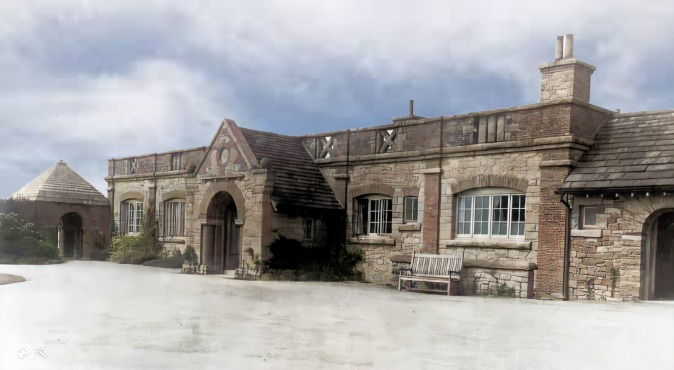
Port Sunlight is a purpose-built model village that Lever established near his soap works to give employees a high standard of housing and community life. It endures today as a preserved settlement and is widely regarded as one of his most tangible personal legacies.
What political roles did William Lever hold?
He served as a Liberal Member of Parliament and was subsequently raised to the peerage as Viscount Leverhulme. His public-service career ran alongside his industrial and charitable activities throughout the late Victorian and Edwardian eras.
Why is William Lever, 1st Viscount Leverhulme considered important in business history?
He scaled a modest soap-manufacturing operation into a global consumer-goods powerhouse while simultaneously pioneering corporate welfare through his model village and patronage of the arts. That combination of commercial ambition, social investment, and political engagement made him a defining figure of the early twentieth-century British tycoon.
More in Business Tycoons & Entrepreneurs 1-20
Spotted an error? Know more?
This is a living reference — every entry is fact-audited, and reader corrections feed straight into our audit queue. Suggest an edit · See this site's audit record